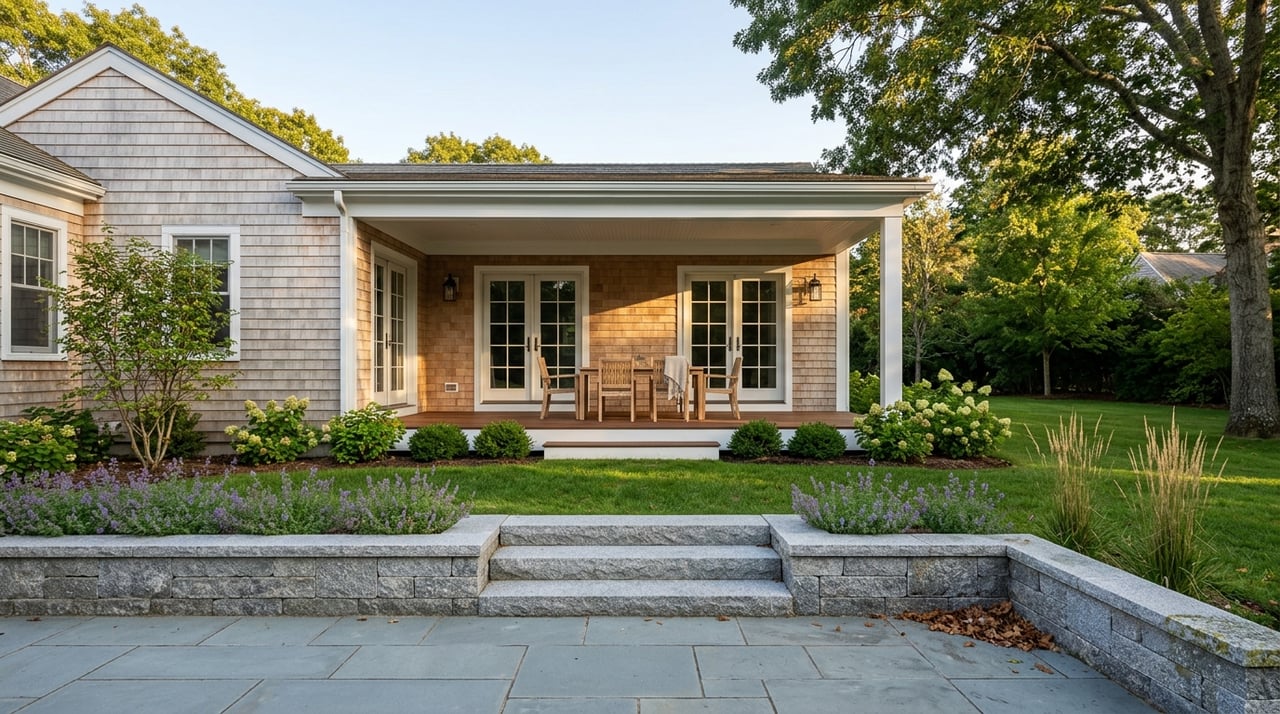
Everyday Outdoor Living In Stratham New Hampshire
June 25, 2026
June 25, 2026
If your ideal day includes a morning walk, time outside after work, and easy access to nature without giving up daily convenience, Stratham should be on your radar. This Seacoast town offers a lifestyle that feels open, grounded, and connected to the outdoors in a way that supports real everyday living. Whether you are planning a move or simply exploring the area, this guide will show you what outdoor living in Stratham actually looks like. Let’s dive in.
Stratham is a primarily residential town in Rockingham County with a strong connection to open space, conservation, and daily recreation. Town planning documents describe it as a vibrant community with rural heritage and historic roads that still retain a rural feel. At the same time, it is not cut off from the places you need to reach regularly.
The town sits on the southern edge of Great Bay and along the eastern shore of the Squamscott River. It is also roughly 9 miles from the Atlantic coast and about 10 miles from Portsmouth. That setting helps explain why Stratham feels naturally tied to trails, water, and wide-open landscapes while still staying connected to the Exeter and Portsmouth corridor.
One of the clearest signs of Stratham’s outdoor identity is how much land has been preserved. The town says more than 2,000 acres have been conserved, which is more than 25% of its total land area. That level of protection gives the town a noticeably open character.
Just as important, Stratham’s approach is not only about recreation. Town planning highlights a balance among walking, cycling, passive recreation, farming, and natural resource stewardship. In other words, outdoor living here is not limited to one park or one activity. It is part of how the town has chosen to grow and protect its landscape.
This is an important detail if you are new to Stratham. Not every conserved parcel is open to the public in the same way. Some properties allow pedestrian access, while others are permission-only or not open for public use.
That means outdoor access in Stratham is best understood property by property. It is a thoughtful system, but it is not one where every preserved acre automatically works like a public park.
When people talk about outdoor living in Stratham, Stratham Hill Park is usually the centerpiece. The town lists the park at 108 acres, and it includes hiking and biking trails, sports fields, rentable pavilions, and a tower with views. It is the kind of place that supports many different routines, from active weekends to quick walks close to home.
The main trail access is at 270 Portsmouth Avenue, with additional access points at Jack Rabbit Lane and Crockett Farm Trail Head. The town also notes an interactive trail map, which makes the park easier to explore over time. For many residents, this is the outdoor hub that turns nature into part of the weekly rhythm.
Stratham Hill Park stands out because it works for more than one type of outing. You can head there for a trail walk, bring bikes, use the sports fields, or gather under a pavilion. That flexibility matters because everyday outdoor living is not only about scenic views. It is also about having a place that fits into your real schedule.
For buyers comparing Seacoast towns, this kind of anchor can be a major quality-of-life feature. It gives Stratham a reliable outdoor center that supports both active recreation and more casual time outside.
Beyond Stratham Hill, the town has other outdoor spaces that make the lifestyle feel accessible and family-friendly. Steven’s Park includes baseball fields, soccer fields, tennis courts, pickleball, and a playground. That mix supports both organized activities and informal afternoon use.
Walter & Mary Smyk Park adds another option with a 10-acre passive recreation setting. Together, these spaces help make outdoor time feel easy to fit into daily life. You do not need to plan a full day trip to get outside in Stratham.
Sometimes the best lifestyle features are the ones you use without much effort. A quick stop at a playground, a few sets on the pickleball court, or a short walk after dinner can shape how a town feels over time. In Stratham, those smaller routines are supported by the town’s park system and open-space planning.
Stratham’s outdoor appeal is not only land-based. The town’s conservation inventory includes a boat ramp at the end of River Road, along with riverfront parcels on the Squamscott River. These access points bring the water into everyday life in a practical, local way.
The town also identifies state-owned parcels at Chapman’s Landing near the Squamscott River. Nearby, the Great Bay National Estuarine Research Reserve says its lands and trails are open year-round from dawn to dusk and include hiking, wildlife watching, and tidal habitat experiences. It also notes a community wildlife garden next to Stratham’s Chapman’s Landing.
This variety is part of what makes Stratham appealing for lifestyle-focused buyers. You have trails, fields, passive open space, river access, and connections to estuary landscapes in and around town. That creates more than one way to enjoy the outdoors depending on the season, your schedule, and your interests.
A lot of towns talk about open space, but Stratham’s planning documents show a more layered approach. Protected properties include town-owned land near Stratham Hill, riverfront parcels, working farms, tidal wetlands, and corridors that help connect larger open-space areas. This mix gives the town a landscape that feels preserved without feeling frozen.
One example is the 30-acre Squamscott River parcel, which is open for pedestrian access and is described as important for wildlife and bird habitat. That detail speaks to the broader character of Stratham. Outdoor living here includes recreation, but it also includes an active commitment to habitat protection and stewardship.
Outdoor living works best when it fits easily with daily errands and responsibilities. In Stratham, practical amenities are clustered enough that residents do not need to leave town for every routine stop. The public library is at 10 Bunker Hill Avenue, the police department is at 76 Portsmouth Avenue, and the transfer station is at 25 Union Road.
Library directions also point to the Route 101 Exeter-Stratham exit, shopping plazas on Portsmouth Avenue, and the municipal center on Bunker Hill Avenue. For many buyers, this balance is a big part of Stratham’s appeal. You can enjoy a conservation-heavy setting without feeling remote.
In New Hampshire, year-round livability matters. The town’s Highway Department says it maintains more than 50 miles of paved roadway, along with sidewalks and winter snow and salt operations. That support helps outdoor routines and daily movement continue through changing weather.
If you are considering Stratham, the lifestyle story is fairly clear. This is a town where open space is not an afterthought. It is part of the layout, the planning priorities, and the day-to-day experience.
You get a setting shaped by conservation, access to parks and trails, nearby river and estuary features, and practical road connections. For buyers who want a home base that feels calm and outdoors-oriented without being isolated, Stratham offers a compelling mix.
It is also a town where details matter. Public access varies by property, and each area has its own character and function. That is why local guidance can be so helpful when you are trying to understand how a town will actually fit your lifestyle, not just how it looks on a map.
If you are exploring Stratham or comparing Seacoast communities, working with someone who understands both the market and the lifestyle side of a move can make the process much easier. For tailored guidance on homes and neighborhoods across the New Hampshire Seacoast, connect with Jamie Frontiero.
Stay up to date on the latest real estate trends.


Jamie offers a concierge line of Real Estate services for Buyers & Sellers throughout the MA North Shore & NH Seacoast. With a personal approach, she combines local market knowledge and contract expertise to ensure a smooth and successful transaction.
JAMIE FRONTIERO
(603) 205-4705
[email protected]
12 Federal Street
Newburyport, MA 01950